The longer a company can defer its outflow of cash, the more cash it will retain in the short term. One way to optimize operational cash flow is through effective revenue management. This could include measures such as setting competitive prices, adopting dynamic pricing strategies, or upselling and cross-selling products or services. By maximizing revenue, companies can increase the inflow of cash into their why does a company need a flow of money into the business? business. In the maturity stage, businesses are expected to start generating consistent positive cash flow.
- With proactive planning, businesses can maintain financial stability, avoid penalties, and strengthen supplier relationships, all while keeping operations uninterrupted.
- As a business owner, you should check your cash inflow and outflow by drawing up a cash flow statement frequently.
- Additionally, investment bankers and financial analysts will use variations of free cash flow to determine a company’s future performance with different capital structures.
- Many business owners believe that the profits they make is what sustains their businesses.
- Tech innovations are key for companies looking to get better at handling their finances and cash flow strategies.
Cash Flow: Understanding Its Impact on Business Operations

Debt payments, stock issuance, and dividend payments to shareholders are some of the key components of cash flow from financing activities. It comes from activities like goods sales, investments, and financing. This flow of money helps the business meet its financial needs, ensuring stability and growth. The fight for market share in today’s competitive landscape affects profits and cash inflow. To stay competitive, businesses need to innovate or improve their offers. Sometimes, this means changing payment terms or sales tactics to keep customers and ensure good cash flow.

Development of Cash Flow Forecasts and Budgets
So, now that you understand what cash flow is, let’s cover how to manage it. One important factor is talking to your clients about getting paid on time. To help you accurately forecast your expenses and plan ahead, https://www.bookstime.com/articles/accounting-automation try creating a calendar for your operating expenses.
Who uses a cash flow plan?
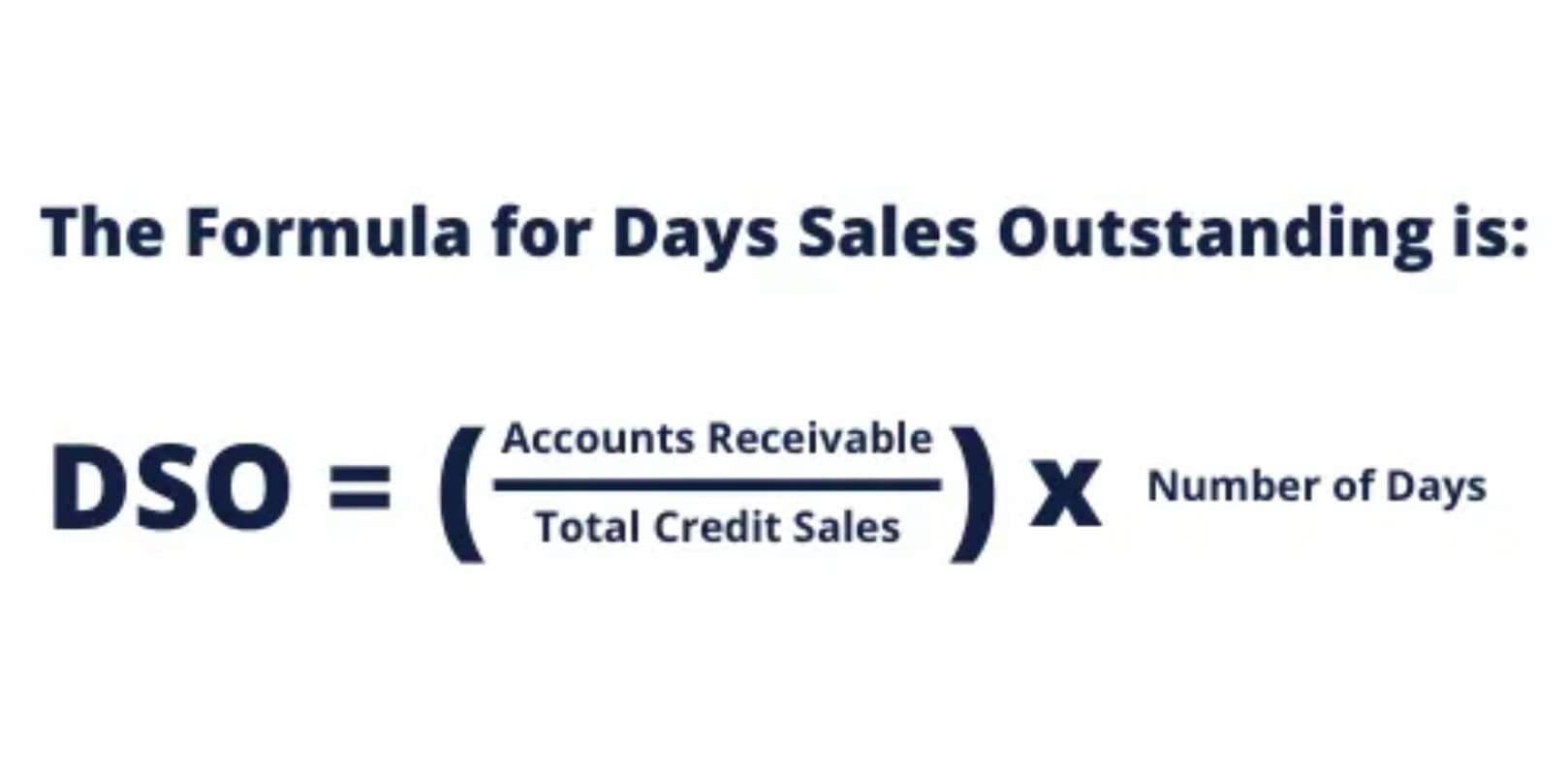
In fact, many companies and startups that don’t perform cash flow planning end up failing before they’re able to generate revenues and profits. In fact, many businesses fail in the first 5 years because they don’t have such a plan or know how to create one. However, one way to increase cash flow in a given month is to speed up your accounts receivable. In other words, get people to pay you faster so you have more money available, earlier. Sometimes, cash flow analysis might reveal that you’re having no problem getting cash in but that you’re not making enough sales in the CARES Act first place to cover your costs. Additionally, if you run a seasonal business, an analysis may uncover that you will struggle with cash temporarily until the next busy season comes around.
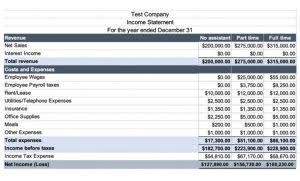
- Company XYZ, a manufacturing company, receives $100,000 in revenue from selling its products to customers.
- Credit cards provide fast access to cash, but there are some drawbacks to consider.
- First, it’s important to understand the difference between profit and cash.
- However, disparities in wealth and credit availability hinder its efficiency.
- In contrast, paying the company that supplies your flour represents cash flowing out of your business.
Investments in renewable energy and sustainable projects are reshaping capital flows. The cycle of money transcends national boundaries, with international trade and investments creating a web of interconnected economies. Tesla’s ability to secure billions through equity offerings highlights how investment firms and capital markets fuel innovation. By directing investor funds to Tesla, financial institutions have supported the rise of electric vehicles, a growing global trend. A business might take out a loan to purchase equipment, hire employees, or expand operations.